Daily Wellness
Positioned as a straightforward addition to the routine an adult already follows each day.
Learn about Vinetaro, its ingredients, potential benefits, and how it can fit into a consistent daily wellness routine.
Dietary supplement. Not intended to diagnose, treat, cure, or prevent any disease. Always read the current product label.
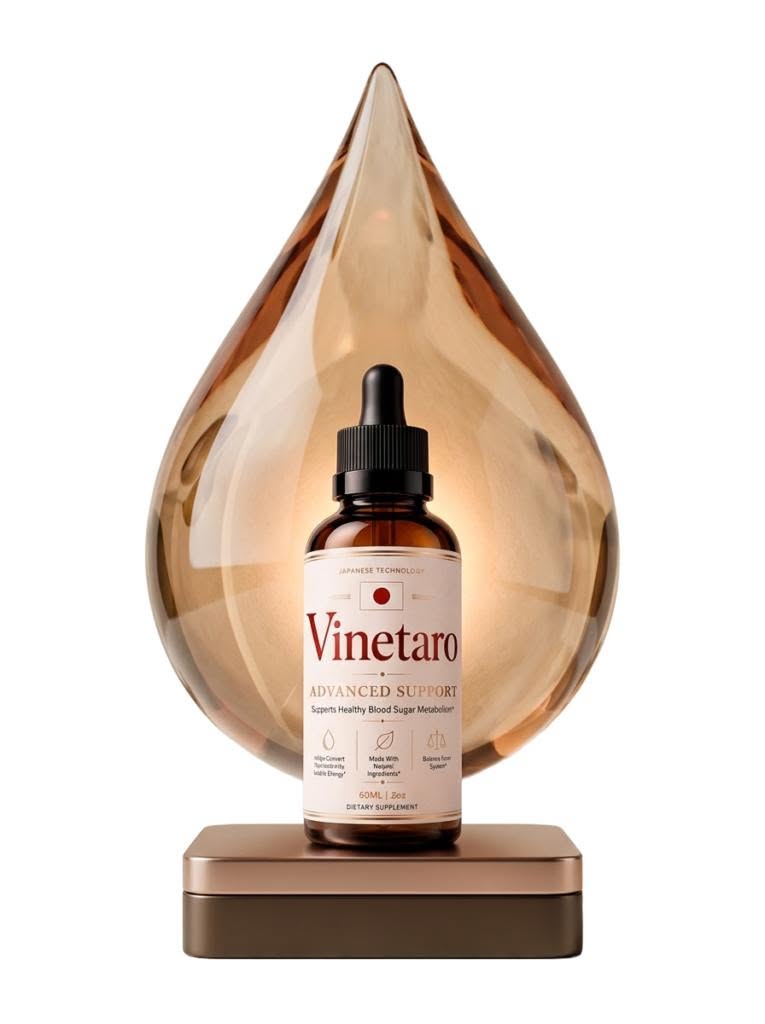

What Vinetaro is designed to offer as part of a consistent daily wellness routine.
Positioned as a straightforward addition to the routine an adult already follows each day.
A single, repeatable step that is easy to remember and easy to keep consistent.
Designed to complement balanced meals, hydration, movement, and rest — never to replace them.
We point you to the current product label as the definitive source for ingredients and servings.
Plain-language explanations so you can read the label with confidence before deciding.
No complicated protocols — just label directions followed consistently over time.
Dietary supplements have become a familiar part of many adults' routines, sitting beside the coffee maker or in a kitchen drawer next to the vitamins. Vinetaro is one of the products in that category, marketed as a daily wellness formula. This article explains what Vinetaro is, how to think about its ingredients, what a supplement routine realistically can and cannot do, and the questions worth answering before you buy anything.
Vinetaro is a dietary supplement sold for general daily wellness support. In regulatory terms, a dietary supplement is a product taken by mouth that contains ingredients intended to supplement the diet. It is not a medicine, and it is not intended to diagnose, treat, cure, or prevent any disease. That distinction matters, because it shapes how the product should be described, how it should be used, and what a reasonable expectation looks like.
The positioning of Vinetaro is straightforward: a single, convenient daily step that slots into an existing routine. Products in this space are generally designed to be easy to remember and easy to repeat, on the reasonable assumption that a routine only matters if a person actually keeps it. Nothing about that positioning implies a guaranteed outcome, and no reputable source should suggest one.
If you are evaluating Vinetaro, the single most useful document is the current product label. It lists the ingredients, the amounts per serving, the suggested use, the allergen and manufacturing statements, and any cautionary language. Marketing pages change; the label is what ships in the box with the product you actually receive.
The idea behind a daily wellness supplement is simple. Most people know the fundamentals of feeling reasonably well — eat a balanced diet, drink enough water, move regularly, sleep consistently, manage stress. The difficulty is rarely knowledge; it is consistency. A supplement is often adopted as a small anchor habit: one visible, repeatable action that reinforces an intention to look after yourself.
That is a legitimate reason to be interested in a product like Vinetaro, and it is an honest one. Consumers may also be drawn to convenience. Preparing elaborate meals or restructuring a schedule takes planning, while a labelled serving taken at the same time each day takes seconds. Convenience does not make a supplement more effective, but it does make a routine more sustainable, and sustainability is where most wellness intentions succeed or fail.
A supplement is not a shortcut around nutrition, and it is not a replacement for medical care. If something feels wrong, or if you are managing a diagnosed condition, the right step is a conversation with a qualified healthcare professional — not a product purchase. Keeping that boundary clear makes it easier to evaluate a supplement calmly, as one optional element of a broader routine rather than a solution to a problem.
We will not list ingredients we cannot verify. Fabricated ingredient lists are common on low-quality review pages, and they are genuinely harmful: they can misinform someone with an allergy, someone taking medication, or someone who simply wants to know what they are consuming.
Check the current Vinetaro product label for the complete and most up-to-date ingredient list.
What we can do is explain how to read a supplement label so that the information is useful to you when you have it in front of you.
This is the boxed panel required on dietary supplements. It shows the serving size, the number of servings per container, and each active ingredient with the amount per serving. Where an established daily reference value exists, a percentage is shown alongside it. Reading the serving size first is important: a bottle's ingredient amounts are stated per serving, and a serving may be more than one capsule.
Below the panel, the "Other ingredients" line lists non-active components — capsule material, flow agents, or anti-caking agents, for example. These are the details that matter if you avoid particular ingredients for dietary, religious, or allergy reasons.
Some formulas list a named blend with a single total weight rather than a per-ingredient breakdown. That is legal, but it means you cannot see how much of each component is present. Knowing this helps you compare products honestly rather than assuming that a longer ingredient list is automatically a better one.
Wellness formulas generally draw from well-known nutrient and botanical categories — vitamins and minerals that the diet may not consistently supply, plant extracts with a long history of traditional use, or compounds selected for their role in normal day-to-day function. The general role of any such ingredient is to supplement intake. None of them cure or treat disease, and any page that says otherwise about a dietary supplement is not a trustworthy source. Once you have the Vinetaro label, you can look up each listed ingredient individually and form your own view.
Benefits are best described carefully, because individual experiences vary and no supplement can promise an outcome. With that framing, here is how Vinetaro is positioned as part of a daily routine.
You will notice what is absent from that list: no guarantees, no cures, no promised weight change, no claims of approval or clinical proof. Those absences are deliberate. A dietary supplement cannot honestly make such claims, and any review that makes them on a product's behalf should be treated with scepticism.
The practical value of any supplement depends almost entirely on the routine around it. Below is a realistic picture of what that routine looks like.
Take the product as directed on the label, at a time you can repeat without effort. Attaching it to an existing daily anchor — breakfast, brushing your teeth, the start of the workday — is far more reliable than intending to remember it.
A supplement supplements. Meals built around vegetables, fruit, adequate protein, fibre, and whole grains remain the foundation, and no capsule changes that hierarchy.
Steady water intake across the day supports normal function and makes it easier to judge how you feel. Many supplements are also taken with water as a matter of label direction.
Regular movement — walking, resistance training, cycling, swimming, whatever you will genuinely repeat — contributes more to how most people feel day to day than any single product in their cupboard.
Consistent sleep and some form of stress management are the least glamorous and most consequential parts of a wellness routine. A supplement routine layered on top of chronic sleep deprivation is unlikely to feel like much.
Broadly, Vinetaro is aimed at adults who already take a reasonably active interest in their daily habits and are considering whether a labelled daily supplement belongs in their routine. That might include someone rebuilding a routine after a busy period, someone who prefers a simple single product to a shelf of separate bottles, or someone who simply wants to read the label carefully and decide for themselves.
It is not aimed at anyone looking for a medical solution. If you are seeking help with a specific health concern, a qualified healthcare professional is the right starting point. A supplement is an optional addition to an otherwise healthy routine, and it should be evaluated on that modest basis.
None of this is unusual caution — it is ordinary, responsible supplement practice, and it applies equally to Vinetaro and to every other product in the category.
It is tempting to frame a supplement as competing with lifestyle habits, as though one could substitute for the other. It cannot. The honest comparison is about role, not ranking.
Everyday habits — what you eat, how much you move, how well you sleep, how you handle stress — are the foundation. They are free, they are supported by an enormous body of general health guidance, and their effects compound over years. A supplement is an optional layer on top: convenient, quick, and easy to keep consistent, but by design a supplement to that foundation rather than a replacement for it.
The most sensible way to think about Vinetaro, then, is as one small part of a larger picture. If the foundation is in reasonable shape and you want to add a simple daily step, a labelled supplement is a legitimate option to consider. If the foundation is being neglected, no product will compensate for it — and any page suggesting otherwise is selling rather than informing.
The most common questions about Vinetaro are answered in the accordion further down this page, covering what the product is, how it should be used, what to check on the label, and who should speak to a professional first.
Vinetaro presents itself as a simple, convenient daily wellness supplement, and that is a reasonable thing for a product to be. The useful approach for a consumer is equally simple: read the current label, understand the ingredients and servings, follow the directions, keep your everyday habits at the centre of your routine, and speak to a healthcare professional if anything about your circumstances calls for it. Make the decision on that basis, rather than on promises — including any promise you might read elsewhere online.
We only publish ingredient details that are confirmed by official product information.
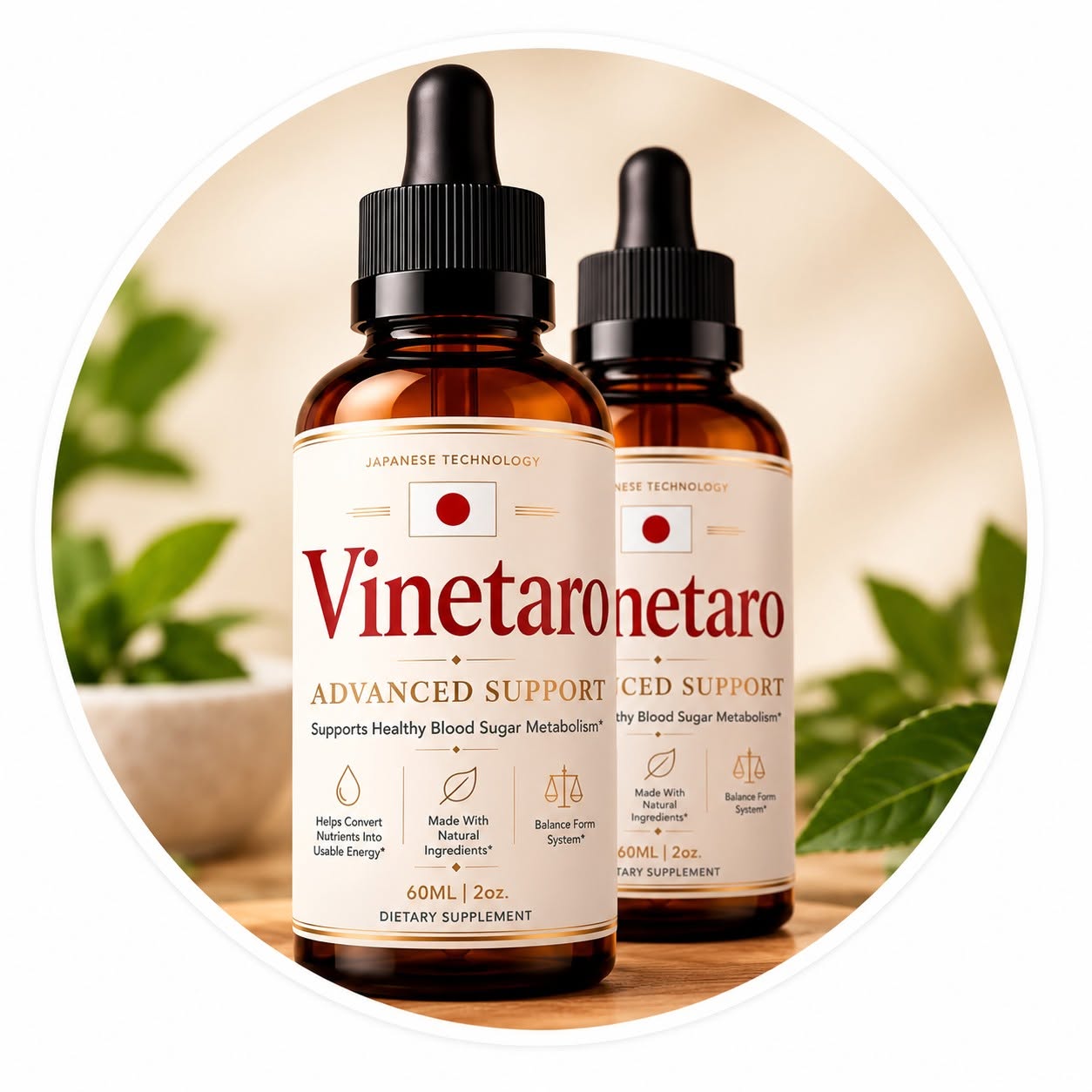
Ingredient information should always be verified against the current product label.
A verified ingredient list for Vinetaro is not published here. Check the current Vinetaro product label for the complete and most up-to-date ingredient list, including the Supplement Facts panel, the “Other ingredients” line, and any allergen statement.
Serving size, servings per container, and the amount of each active ingredient per serving.
Capsule material and non-active components — the line to check for allergens and dietary needs.
The directions that define how and when the product should be taken. Do not exceed them.
Three informational steps for adding any labelled supplement to a daily routine.

Understand the product and its ingredients. Read the label, review the serving size, and note anything you want to ask a healthcare professional about.
Follow the product label and incorporate it into your daily routine at a time you can realistically repeat, such as alongside a regular meal.
Pair your routine with balanced nutrition, hydration, movement, and healthy sleep habits, and review how it fits your life over time.
A good supplement decision starts with information, not persuasion. Understand what is in a product, follow the directions printed on its label, and weigh whether it suits your individual needs and circumstances.
Dietary supplements are not medicines and are not intended to diagnose, treat, cure, or prevent any disease. If you are pregnant, nursing, taking medication, or managing a medical condition, speak with a qualified healthcare professional before adding any supplement to your routine.
Whole foods, adequate protein, fibre, and variety across the week.
Steady water intake across the day rather than large amounts occasionally.
Regular activity you enjoy enough to repeat, not an all-or-nothing plan.
A consistent schedule that gives the body time to recover each night.
Explore Vinetaro and discover more about the product, ingredients, and daily wellness approach.
Concise, factual answers about Vinetaro and responsible supplement use.
Vinetaro is a dietary supplement positioned as a simple, convenient addition to an adult's daily wellness routine. Like any supplement, it is intended to complement — not replace — balanced nutrition and healthy lifestyle habits.
It is marketed as a general daily wellness product. Dietary supplements are not intended to diagnose, treat, cure, or prevent any disease, so the current product label and directions are the definitive source for its intended use.
Check the current Vinetaro product label for the complete and most up-to-date ingredient list. Formulas can be revised over time, so the label that ships with your bottle is always the accurate reference.
Follow the serving instructions printed on the product packaging exactly, and do not exceed the recommended amount. If anything on the label is unclear, ask a qualified healthcare professional before use.
The label indicates the suggested time and serving. Many people find that anchoring a supplement to an existing habit — such as breakfast — makes consistency easier, provided that timing matches the label's directions.
No. A dietary supplement is designed to support a routine that already includes balanced meals, hydration, movement, and sleep. It is not a substitute for any of those.
Individual experiences vary and no particular outcome or timeline can be promised. Wellness routines are generally evaluated over weeks of consistent habits rather than days.
Anyone who is pregnant, nursing, under 18, taking prescription medication, or managing a medical condition should speak with a qualified healthcare professional before starting any supplement, including Vinetaro.
No. It is a dietary supplement, not a drug, and it is not intended to diagnose, treat, cure, or prevent any disease.
Review the information on this page, then check the official product page and the current label for pricing, servings, and the full ingredient list before making a decision.